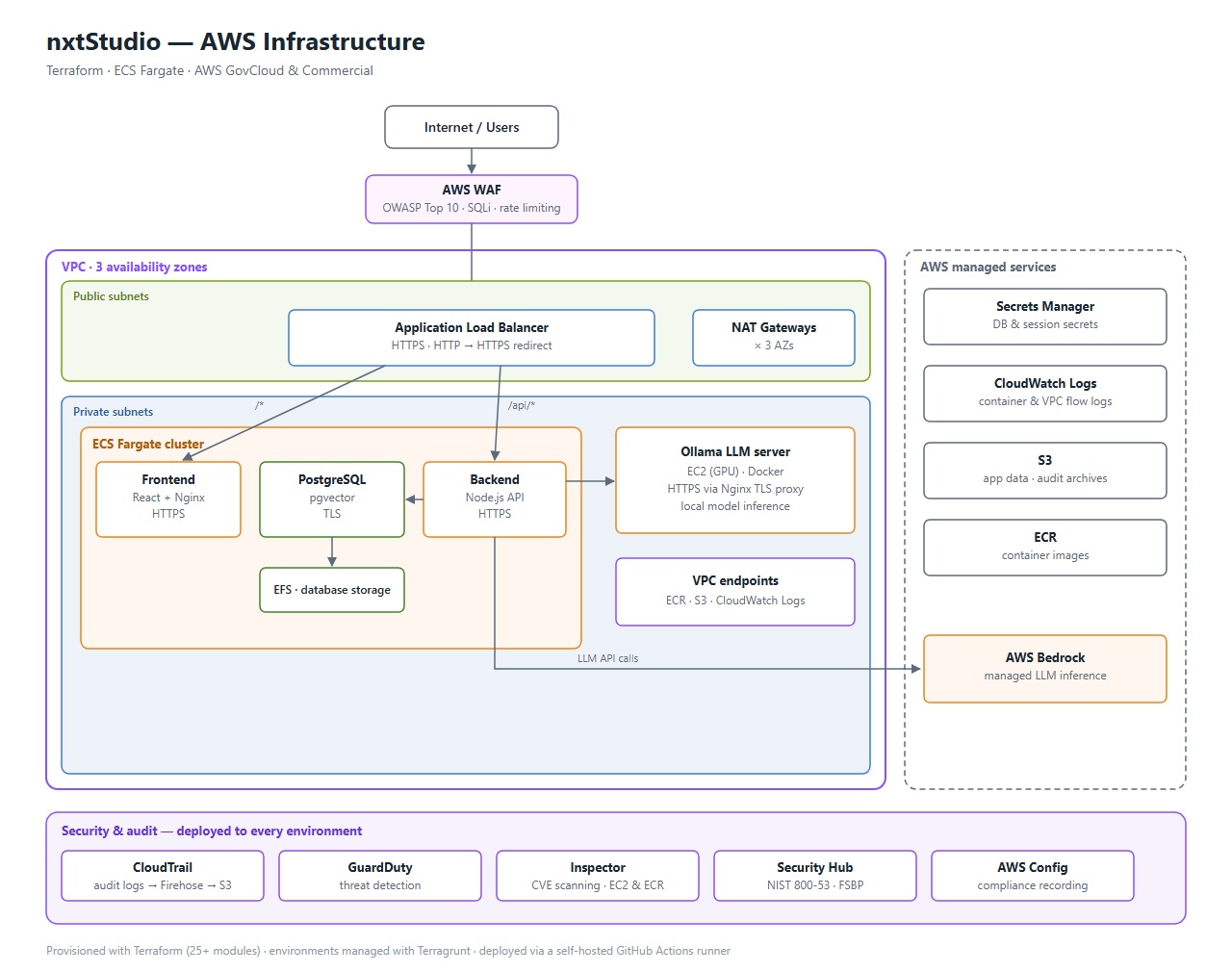
Abt Global's nxtStudio is an AI-powered document intelligence platform that analyzes government solicitations, tracks compliance, and drafts content with LLM assistance. Built with React and Node.js over PostgreSQL with pgvector, running AI locally on Ollama or through AWS Bedrock. Our engineers develop with Claude Code, which feels right for a platform whose whole job is putting LLMs to work. I spend most of my time in the infrastructure: a Terraform module library of 25+ modules deploying dedicated environments to AWS GovCloud, managed with Terragrunt, plus a locked-down self-hosted CI runner that deploys cross-account with no inbound network access.
USDA Receipt for Service
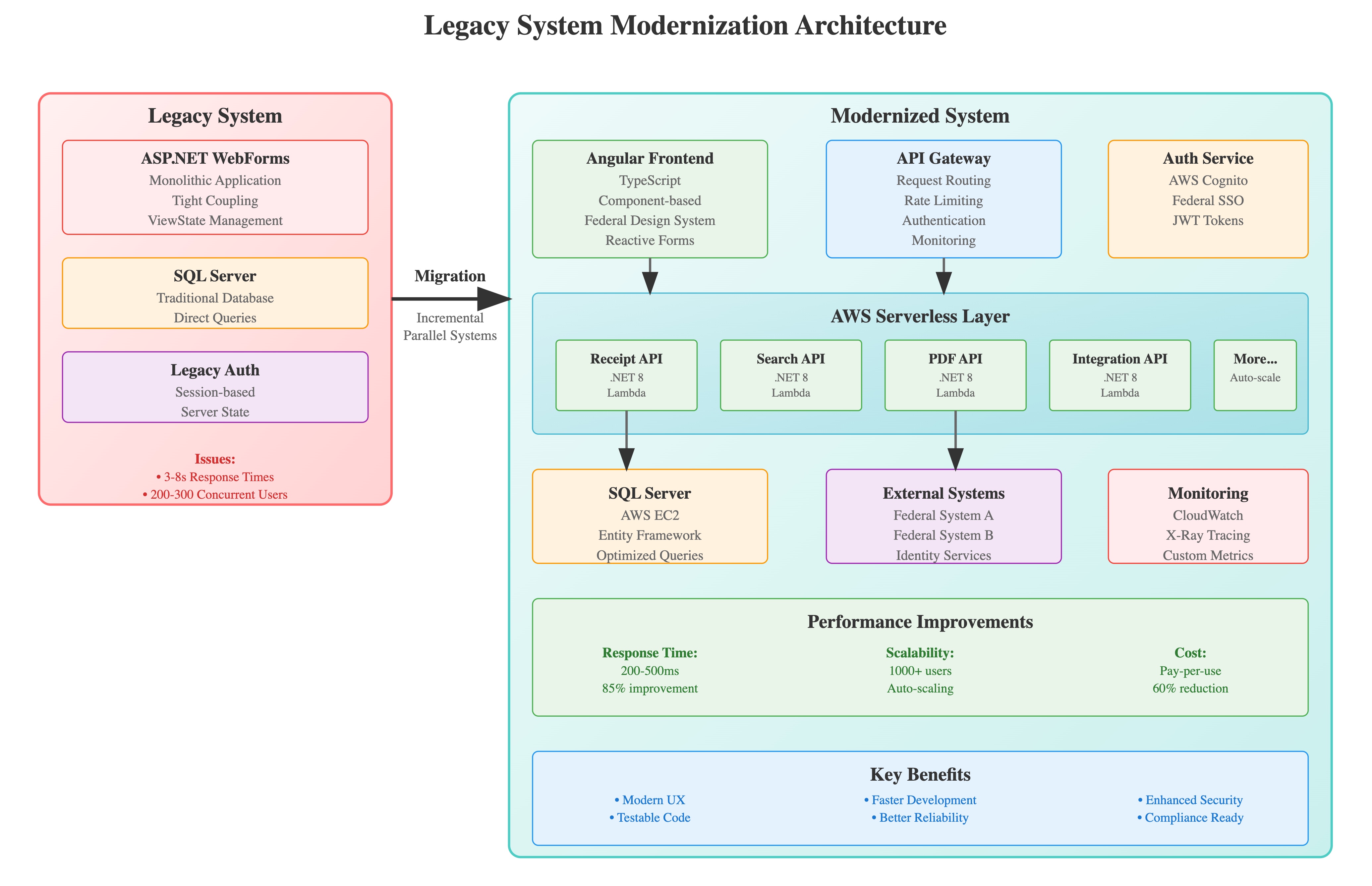
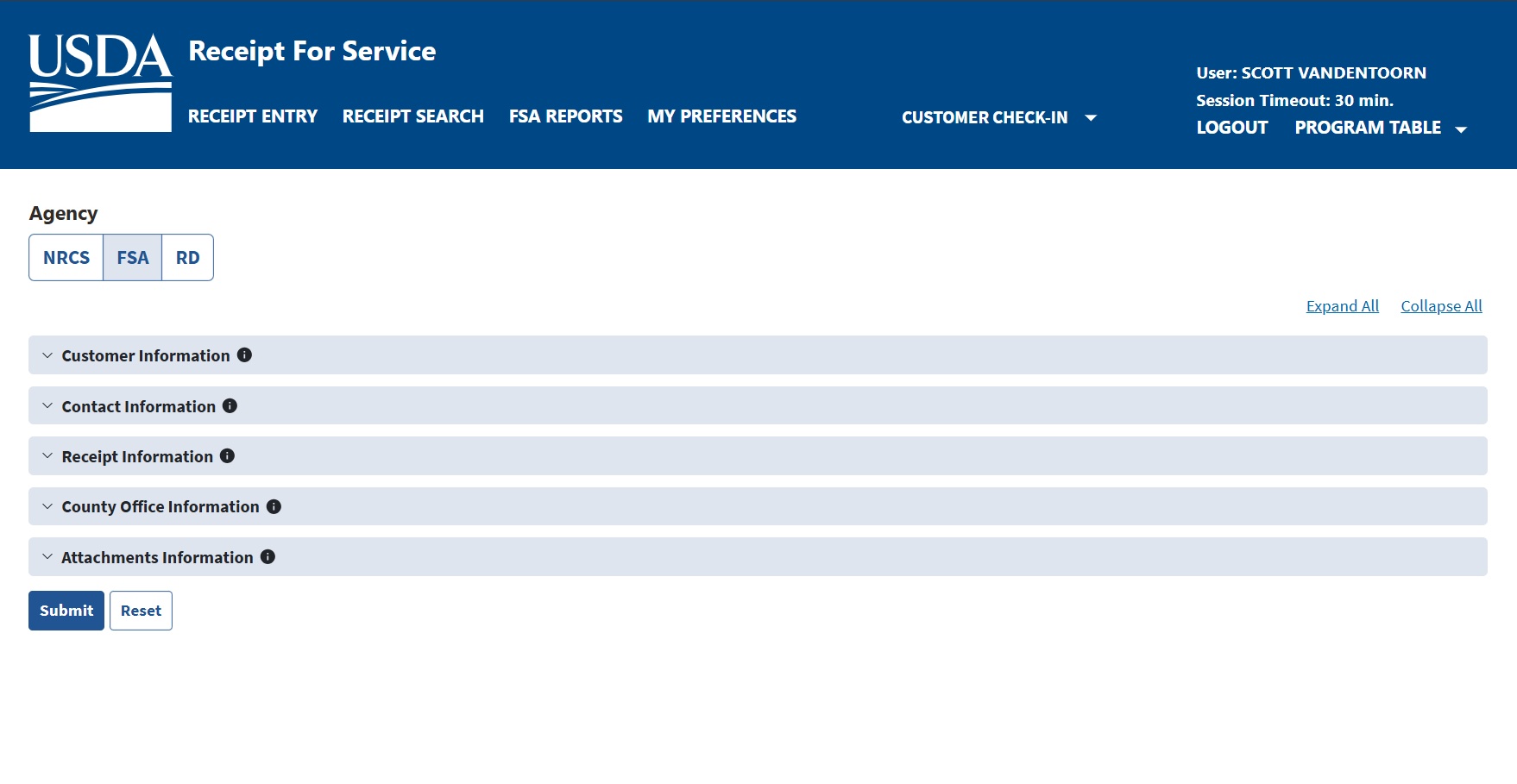
The Receipt for Service application allows employees to generate the service receipts required by the 2014 Farm Bill. Our team is undertaking a full stack rewrite, bringing the application from legacy ASP.NET Web Forms running on physical servers to Angular/.NET 8 running in AWS Lambda.
USDA FSA Customer Check-in Kiosk
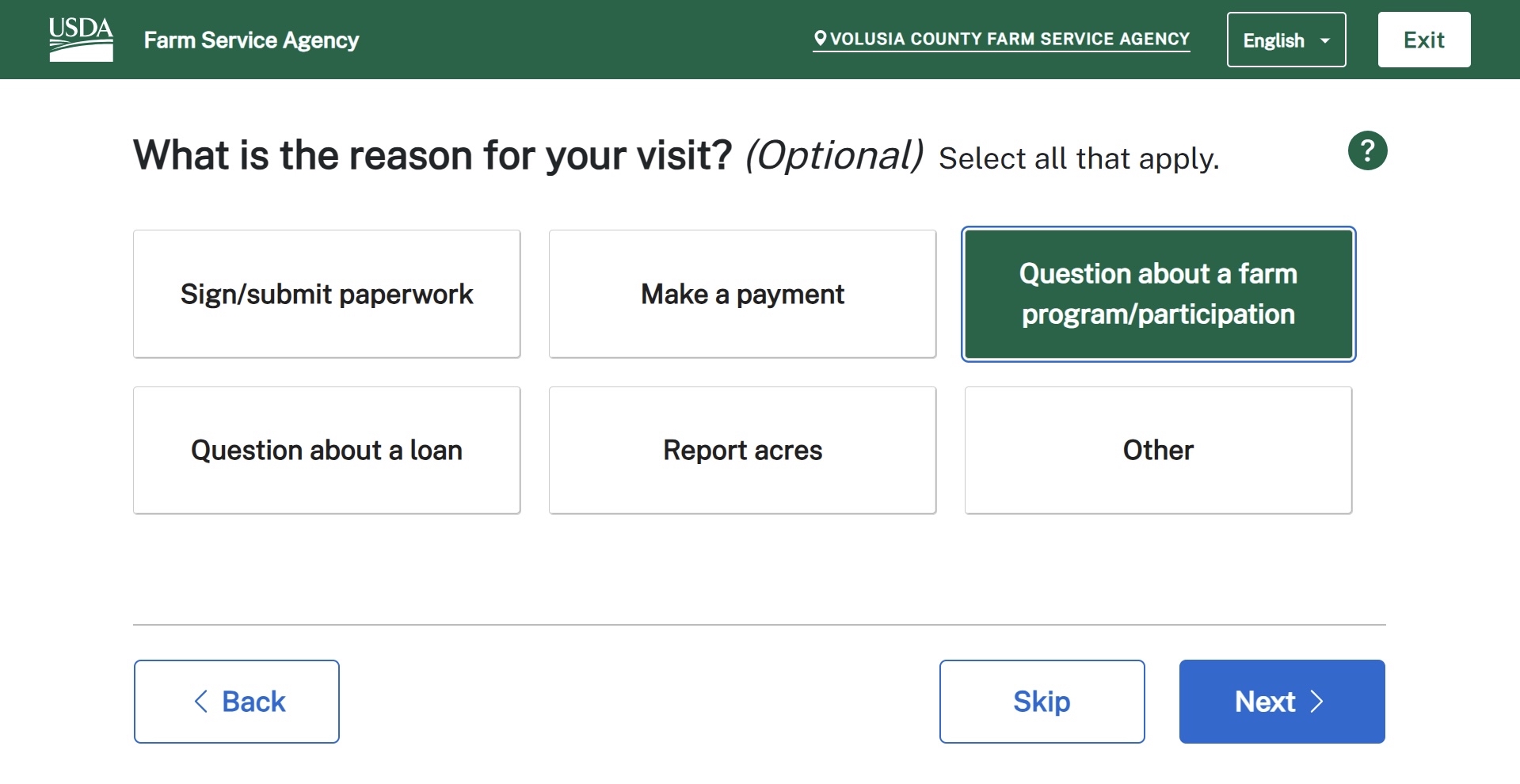
The FSA Customer Check-in Kiosk allows farmers to check in for their appointment and be put into a queue - similar to checking in at the DMV.
VicTouch
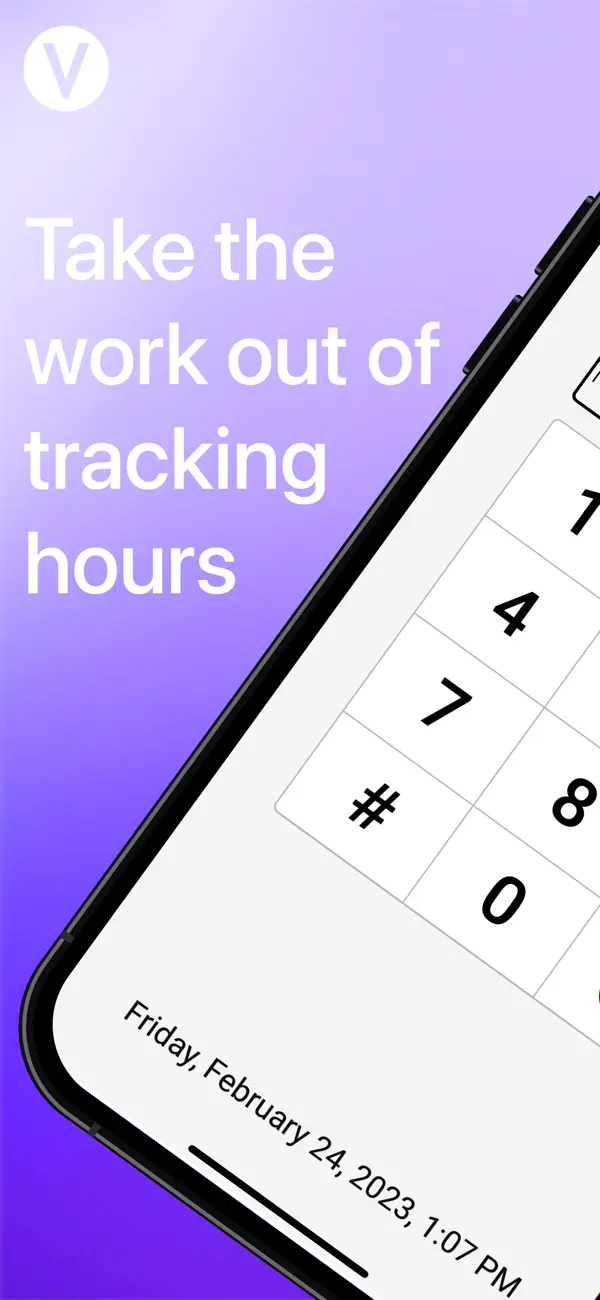
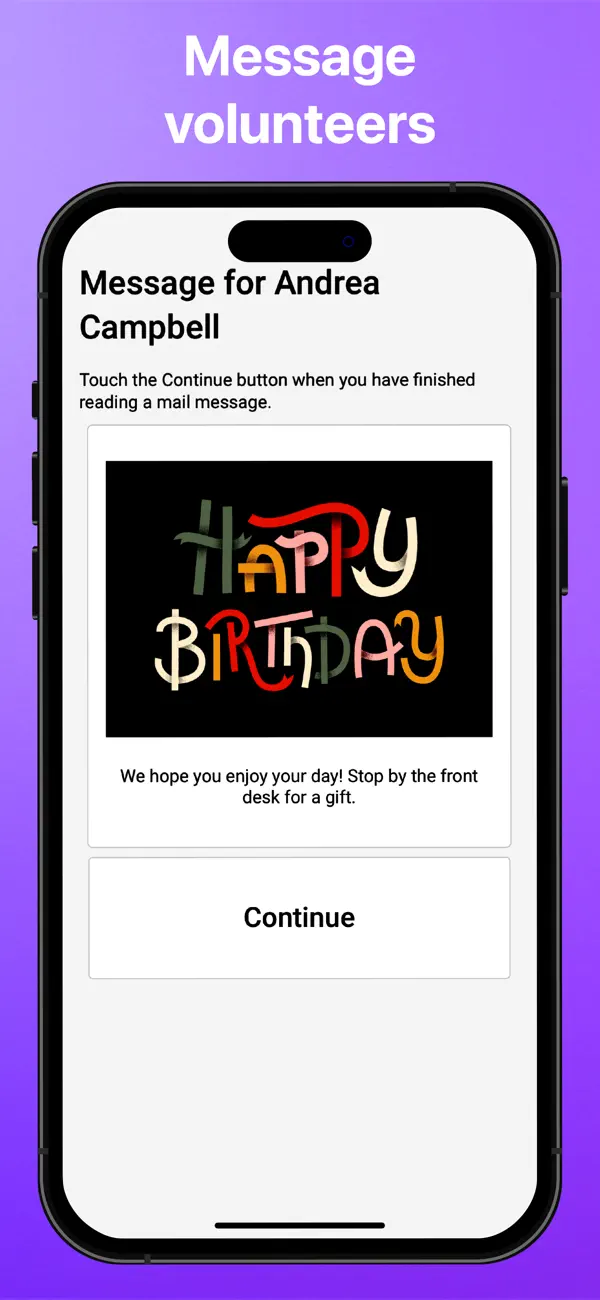
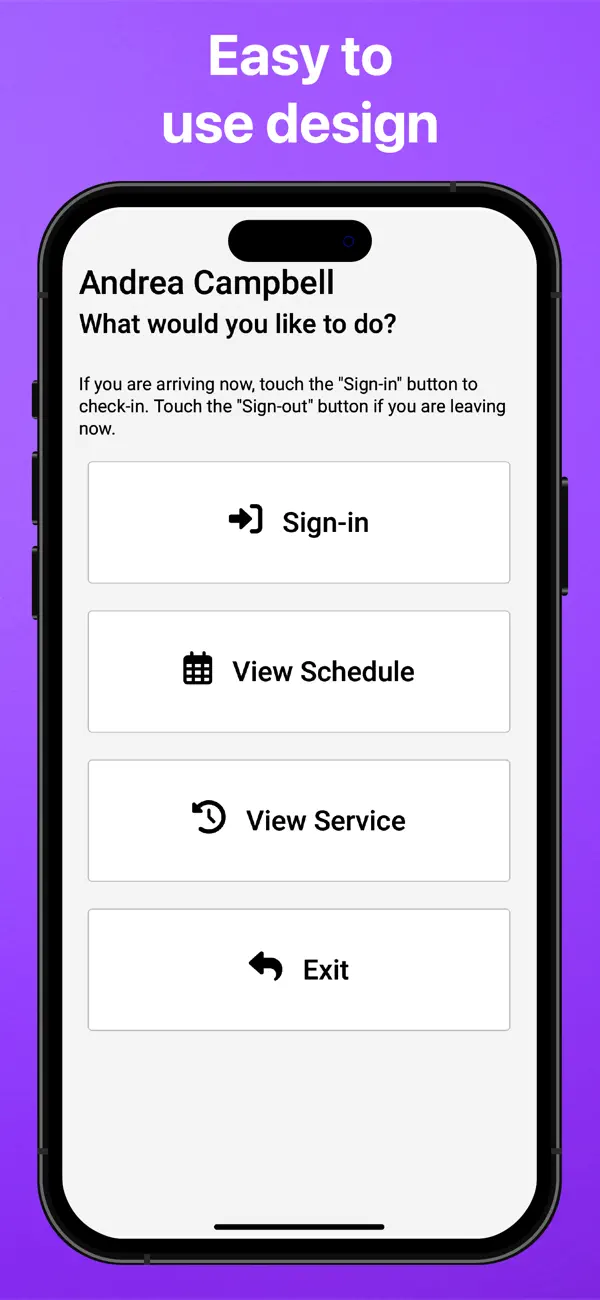
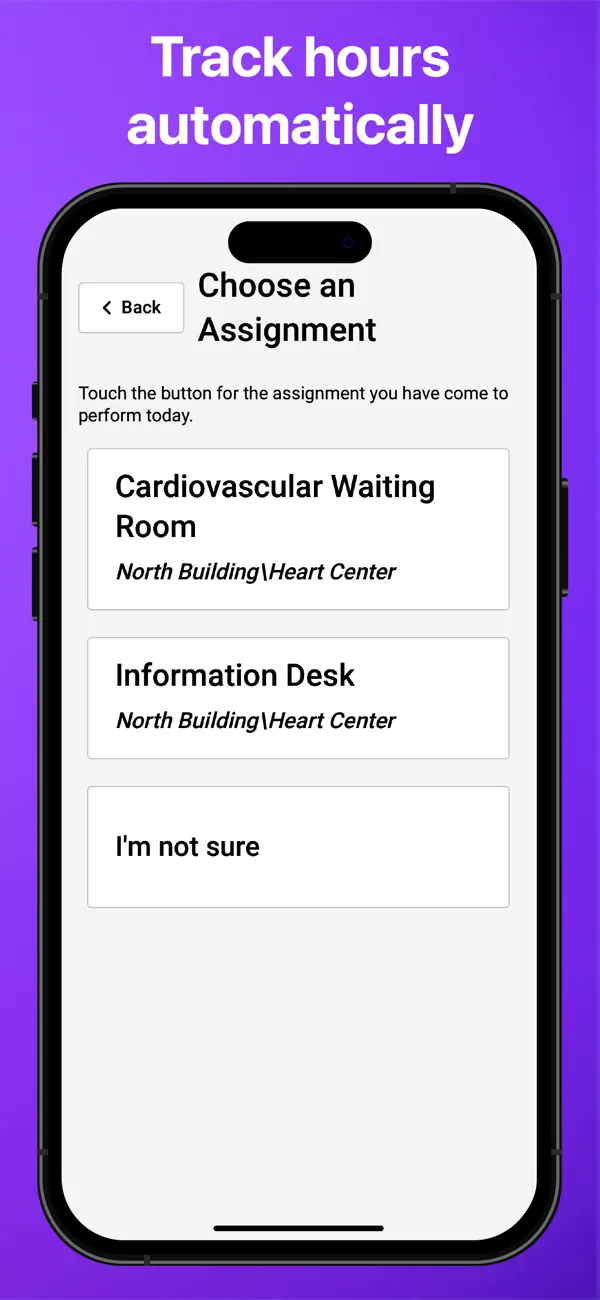
The core function of VicTouch is to allow volunteers to clock in and out when they arrive and depart when serving at their organization. It also features messaging, scheduling, and touchless QR code sign-in. VicTouch was solo-developed by me for Volgistics — generating roughly $1M in annual recurring revenue, I rewrote it from the ground up, shipping a production beta in 6 months and fully replacing the legacy system within 12. It was the first app Volgistics released to the App Store and Play Store. The front end features an Angular SPA, while the back end runs on Windows Server and uses compiled Delphi code querying a BTrieve database. Capacitor is used as a wrapper around the Angular project allowing the same code base to be used in the web, App Store, and Google Play Store. VicTouch is continuously integrated and deployed using GitLab CI/CD tools.
VicNet
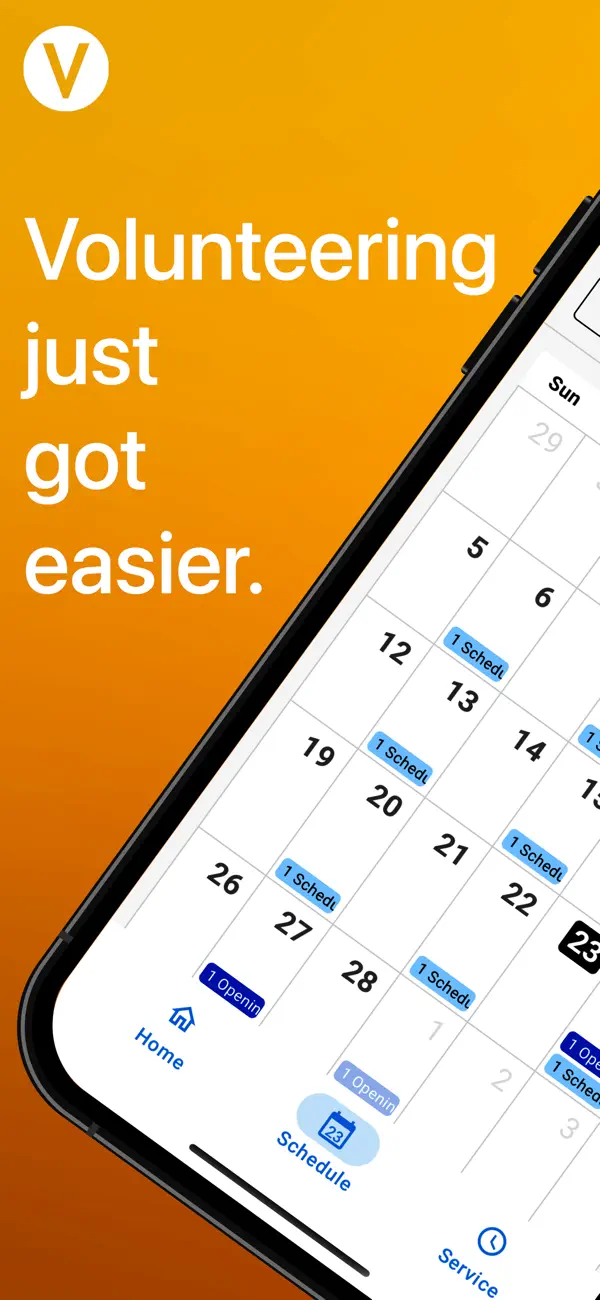
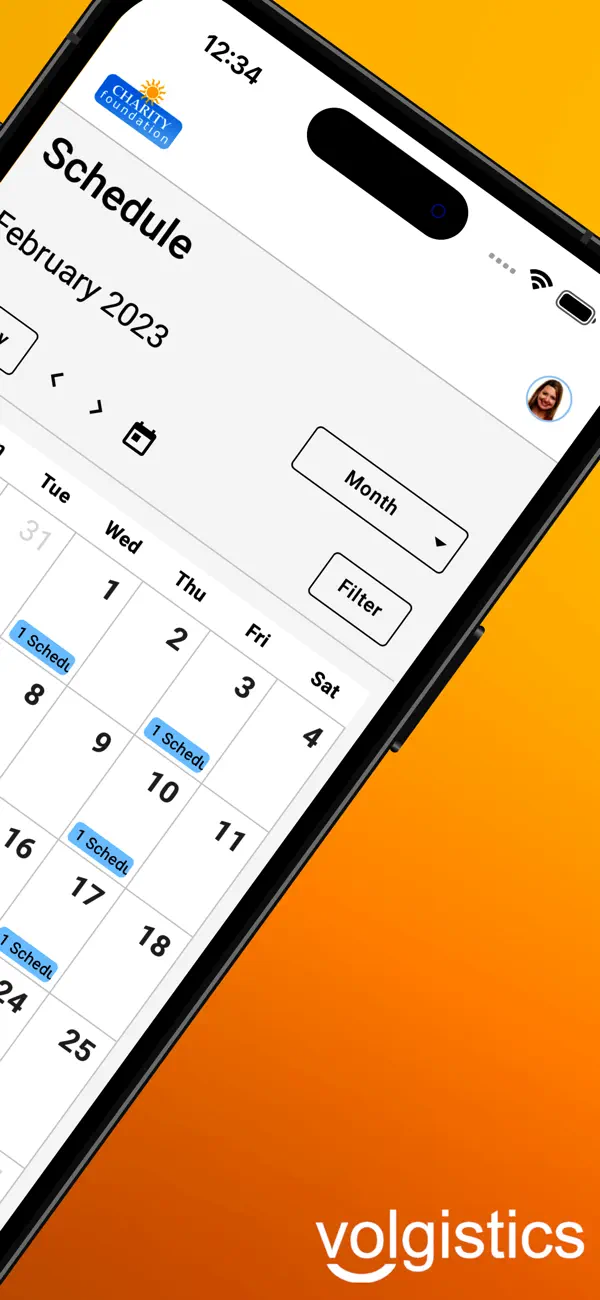
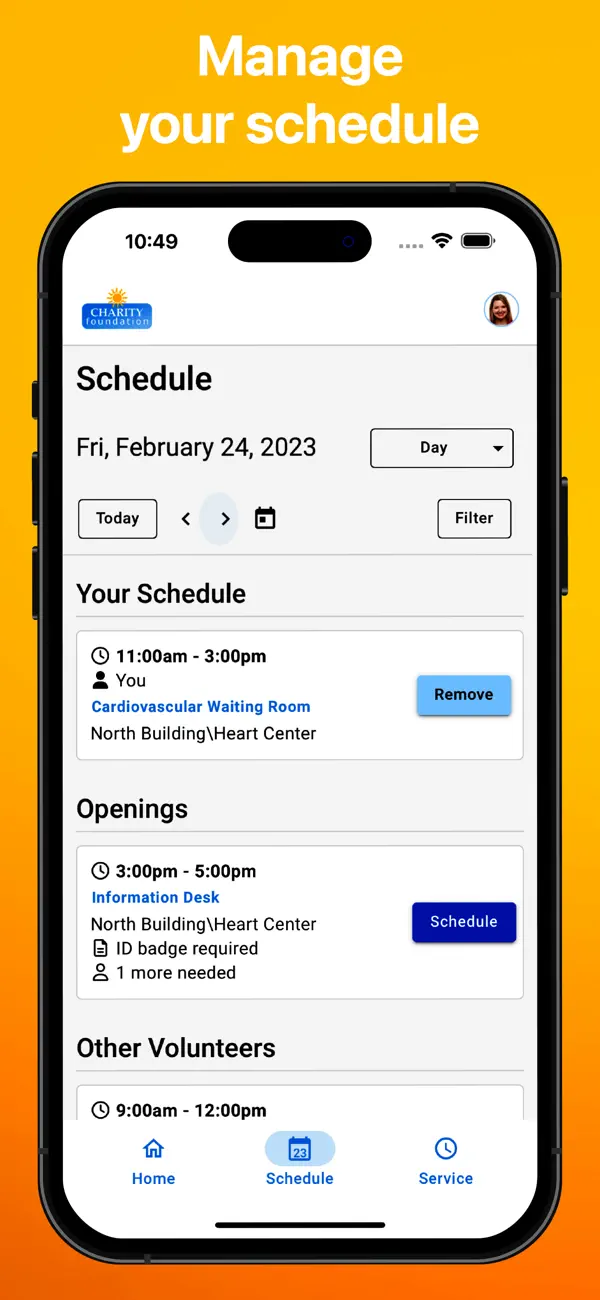
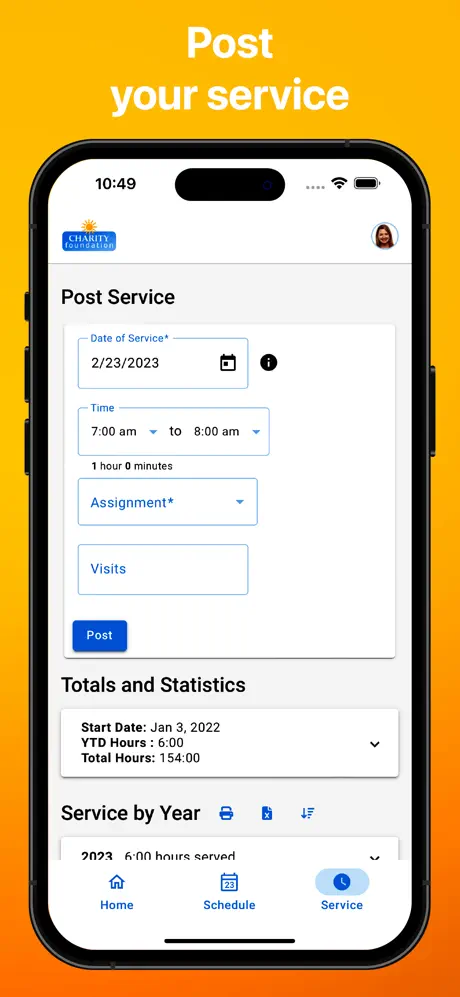
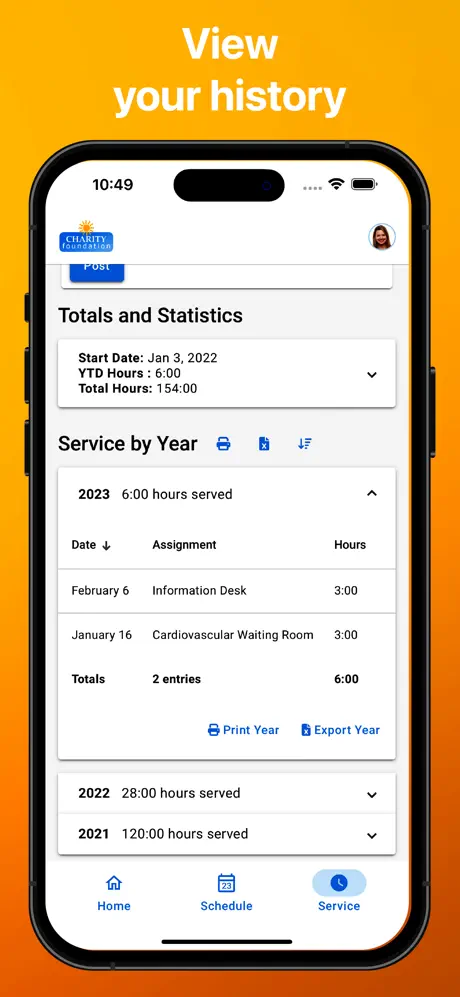
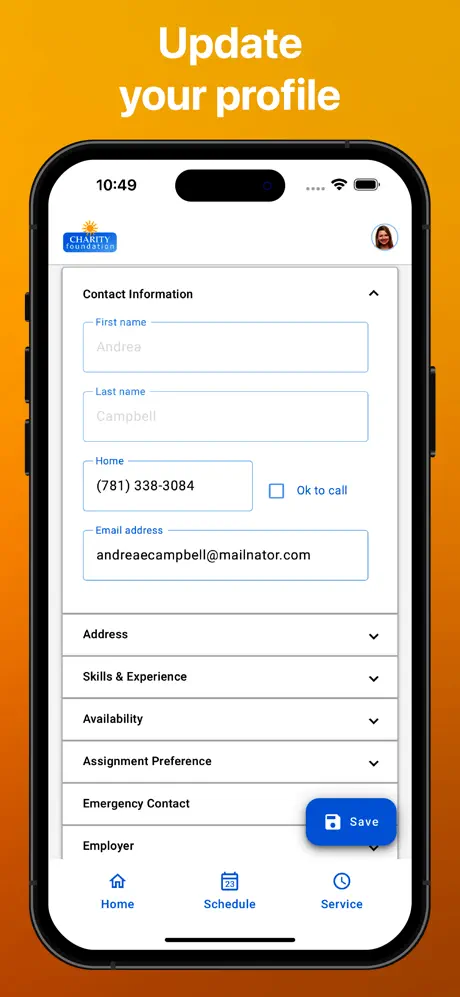
VicNet allows volunteers to view and manage their schedule, view or post their service, receive messages from their organization, and update their profile information. I collaborated with multiple engineers and testers to develop the user-friendly, social media-inspired interface. It features the same stack as VicTouch and uses the CI/CD and native app framework pioneered with VicTouch.
Volgistics Help
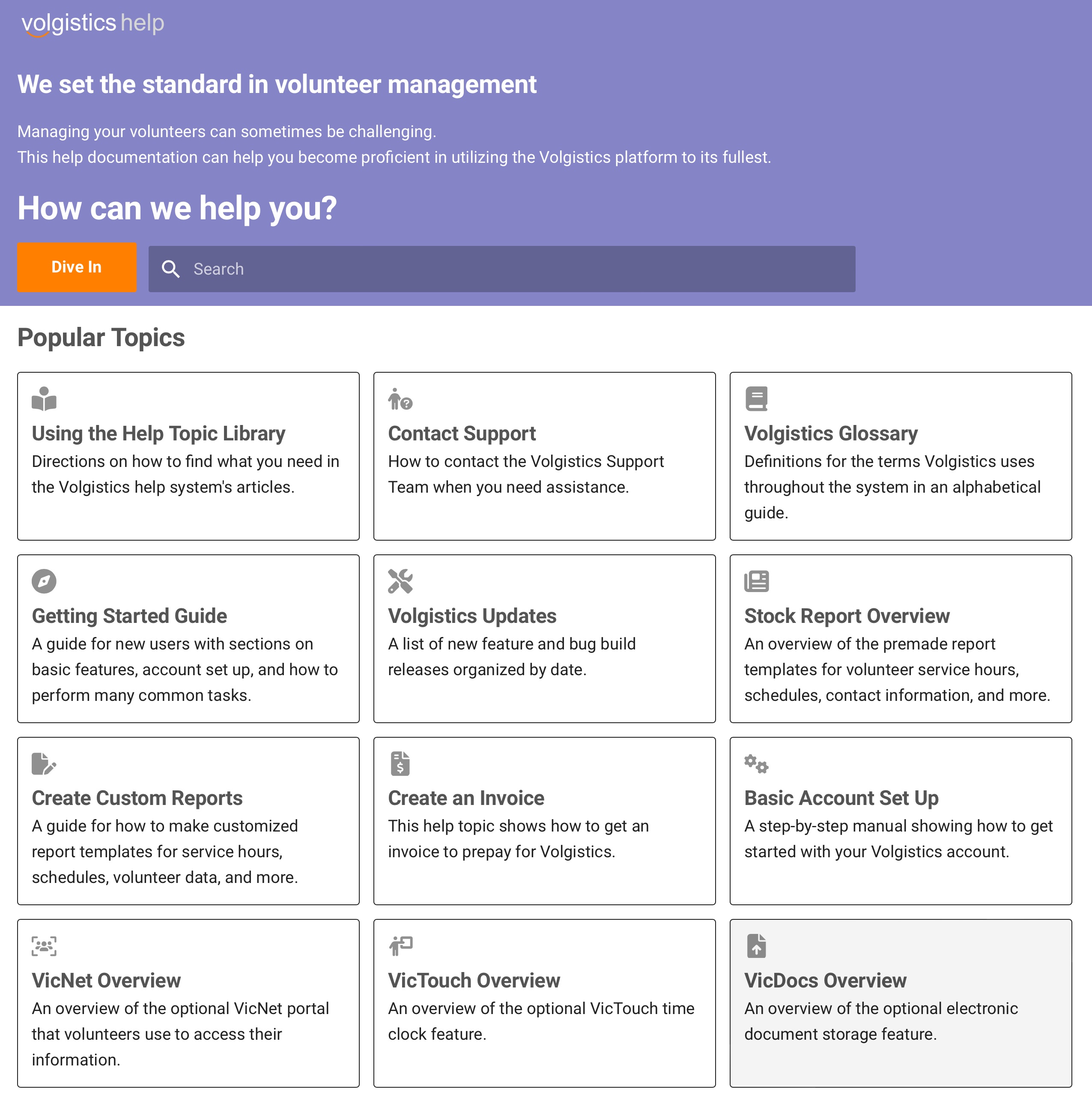
Over 700 help pages that can be easily updated by non-engineers. The original help pages were static HTML files; I used Selenium and Python to convert each page to markdown, then used Vuepress to read and display the files. One key part of developing Volgistics Help was working with non-technical individuals to ensure they could understand and update the documentation.
Harry's Appraisals
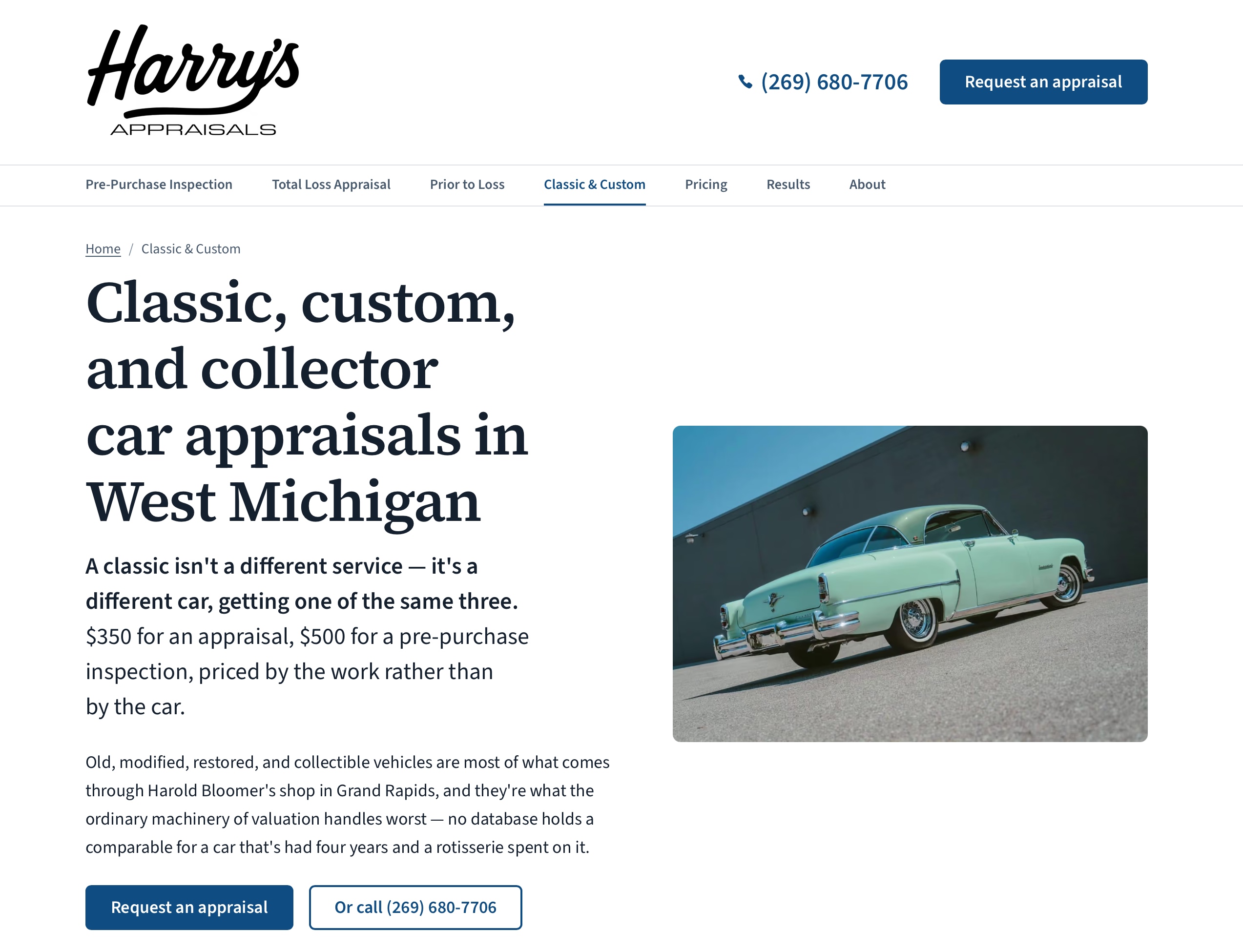
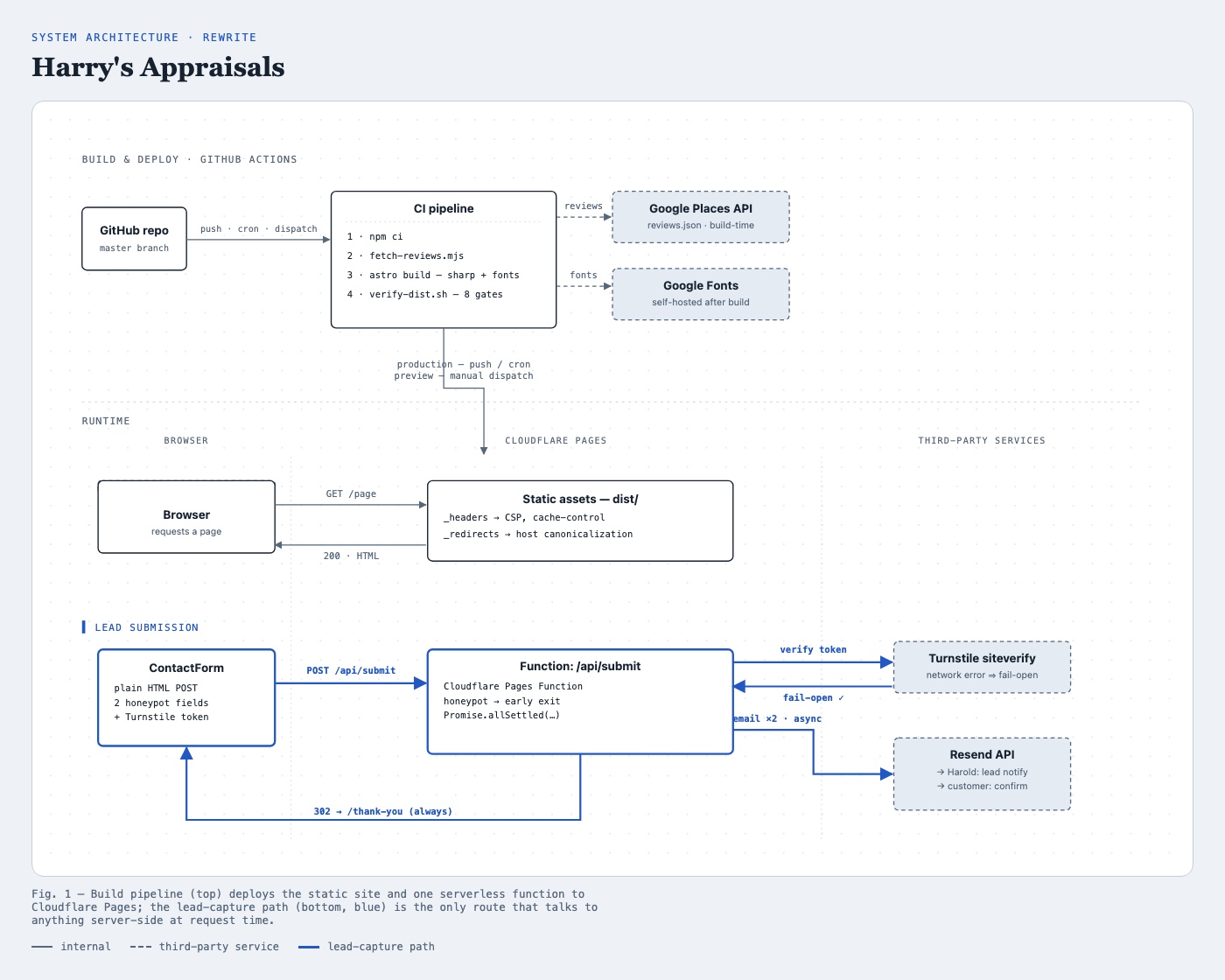
A statically-generated Astro site for a local vehicle insurance appraisal business, deployed to Cloudflare Pages via GitHub Actions. The lead form is a plain HTML POST handled by a Cloudflare Pages Function — no client-side JavaScript required to submit it — guarded by Cloudflare Turnstile and backed by Resend for email delivery.
TI Launchpad Slot Machine
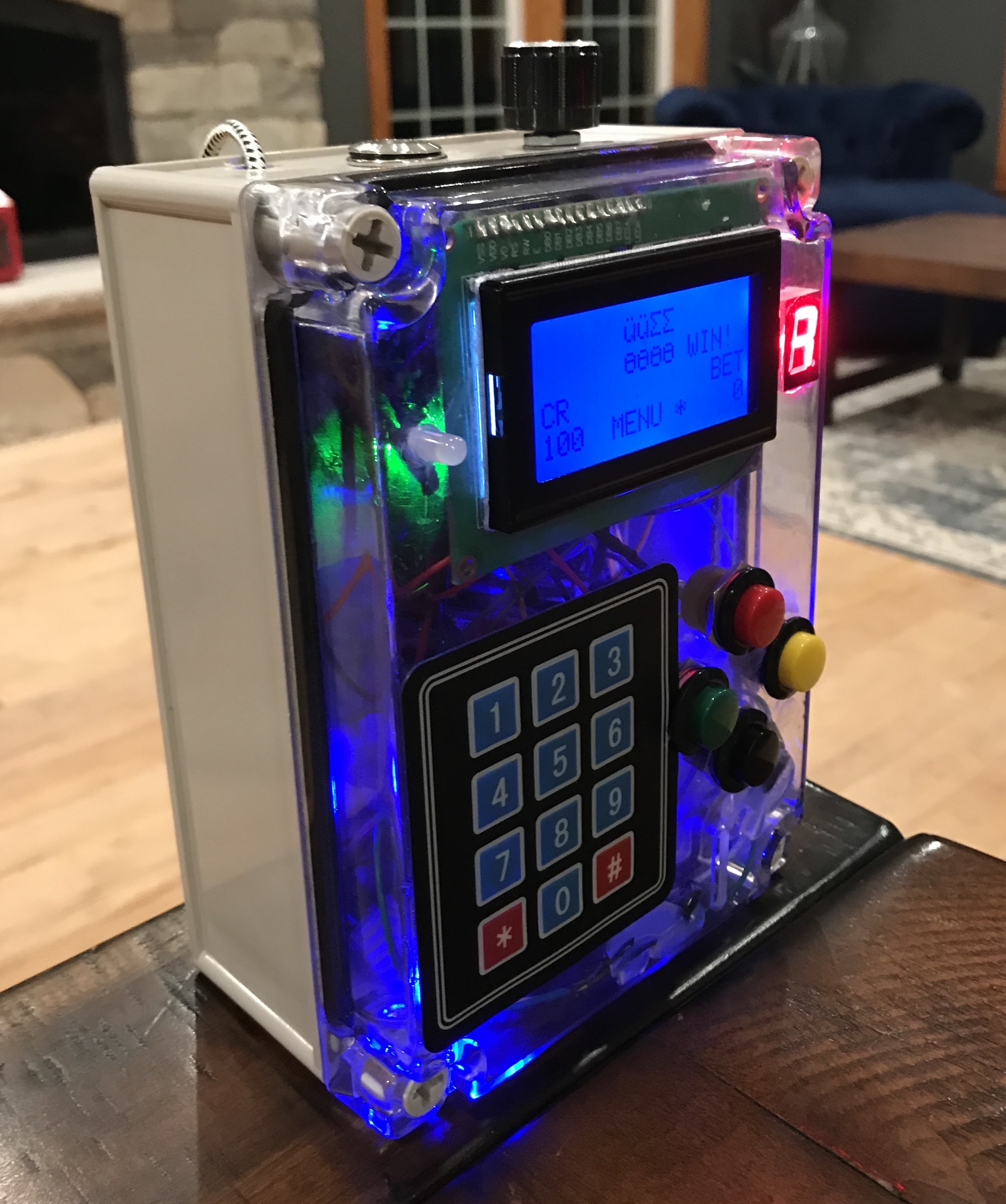
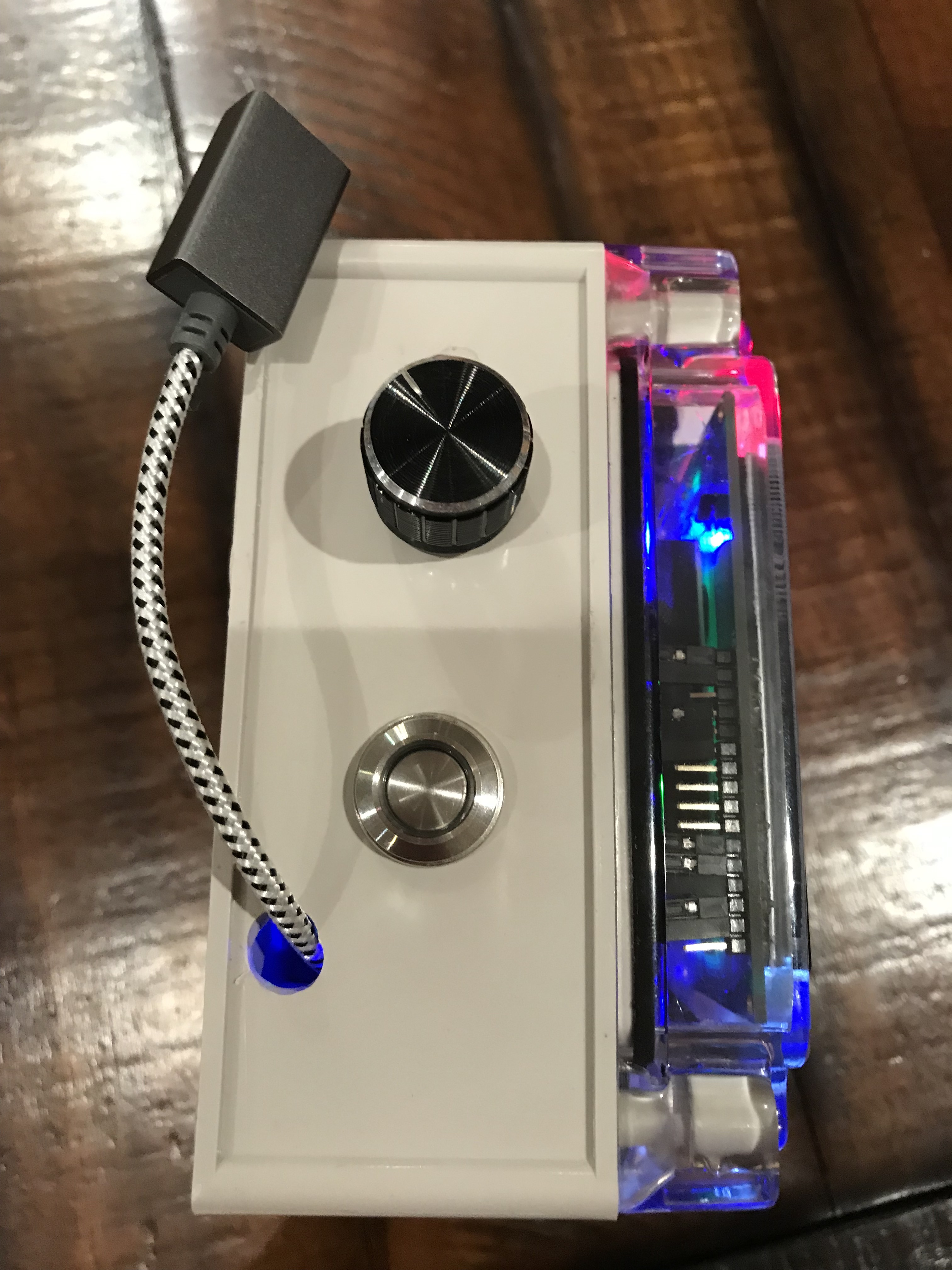
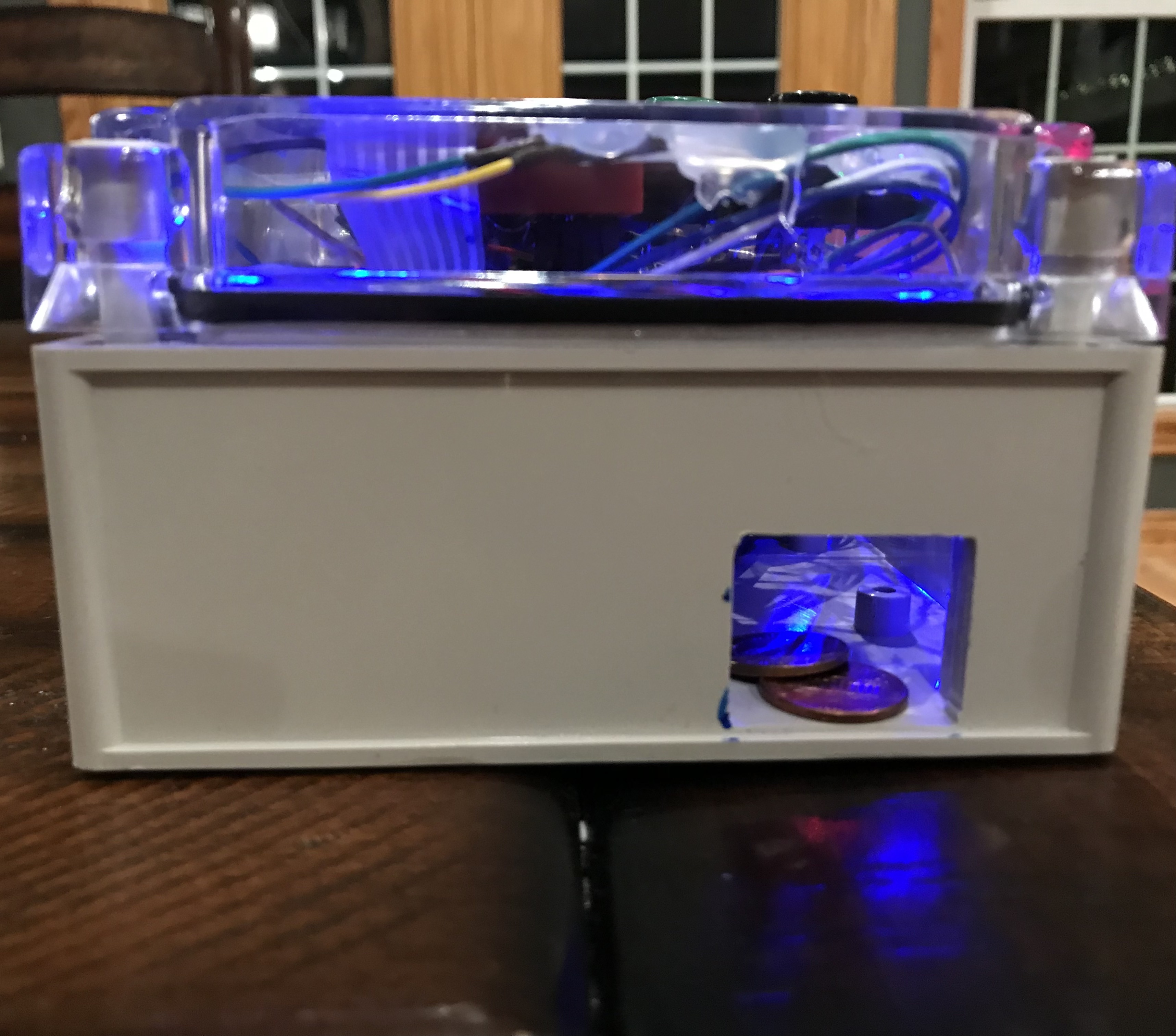
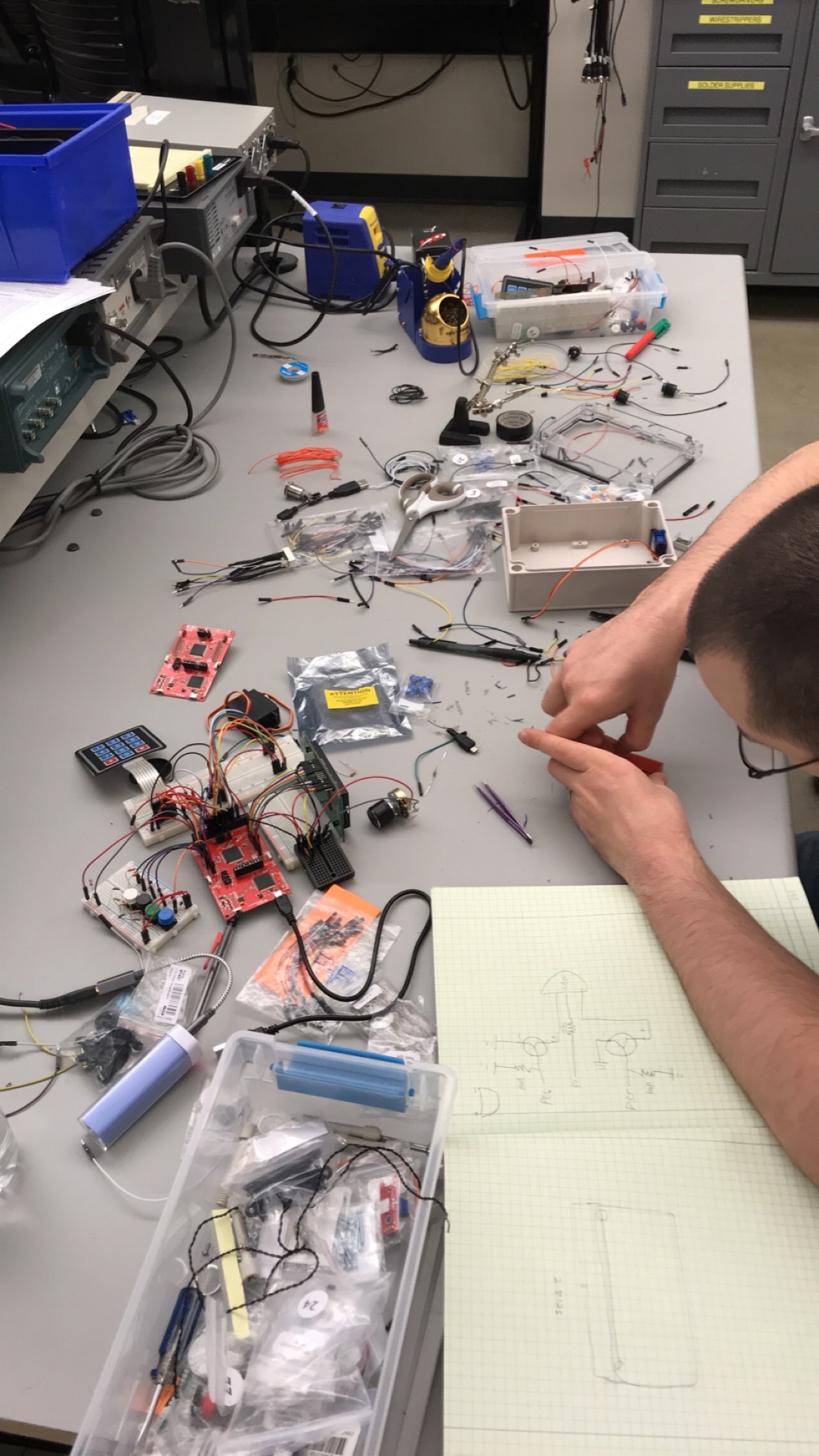
It looks like a GameBoy, but this device is actually a slot machine that accepts pennies. Classmate Zakkaria Hales and I designed and programmed the machine as the final project in a microcontroller class. Being the dirty capitalists we are, we rigged the game against the player; penny by penny we hope to recover all the money we've spent on textbooks. The design constraints were to design a slot machine which must utilize a keypad, pushbuttons, speaker, tri-color LED, 7-segment display indicating level of brightness, 16x4 LCD with potentiometer controlled brightness, and a TI MSP432 Launchpad to do the decision making. Additional features we added include a penny slot for credit entry, a door attached to a positional servo for penny retrieval, rechargeable battery, relaxing blue ambient lighting, and a selection of Super Mario Bros tunes of which the user can set to be their victory sound.
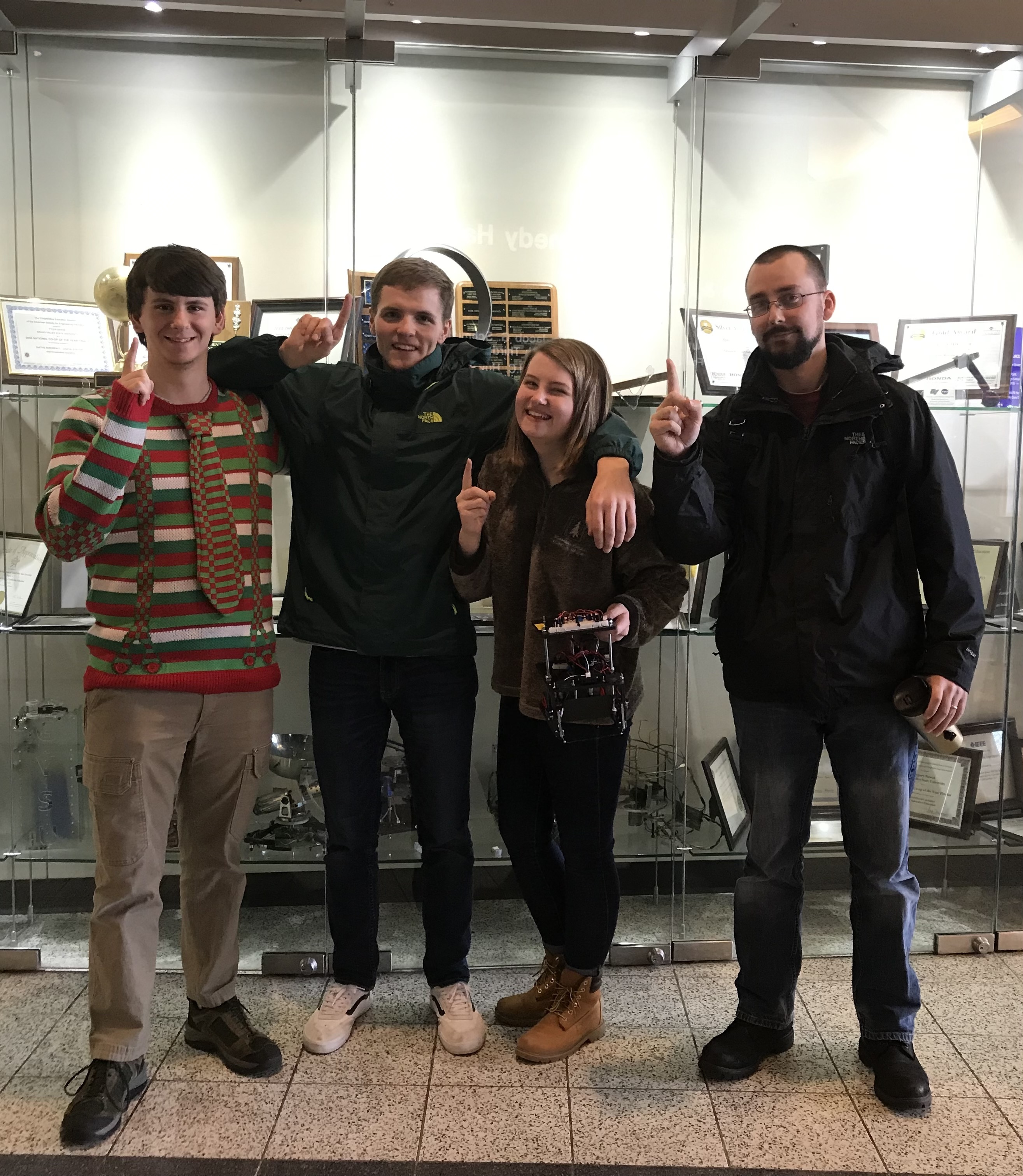
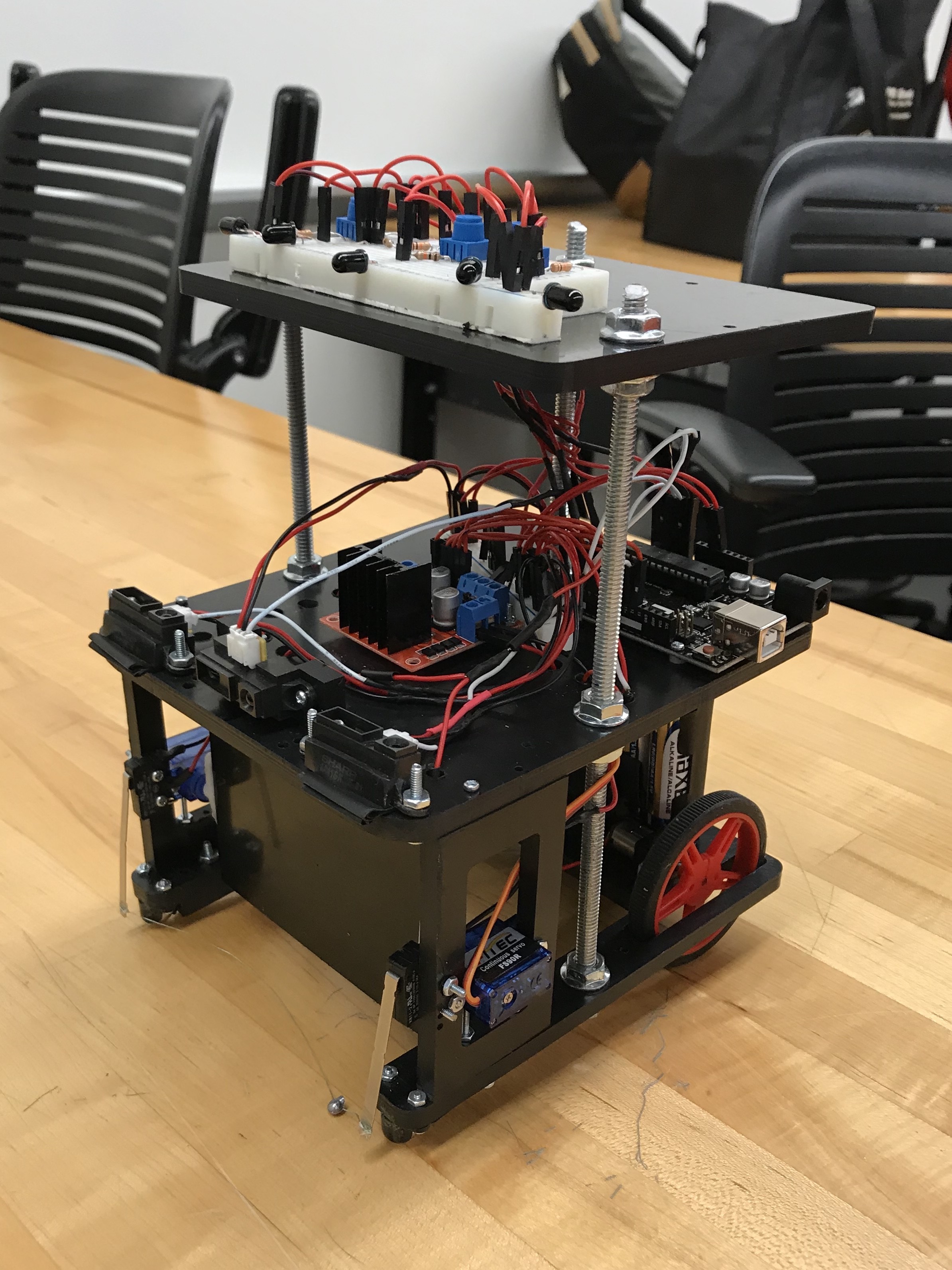
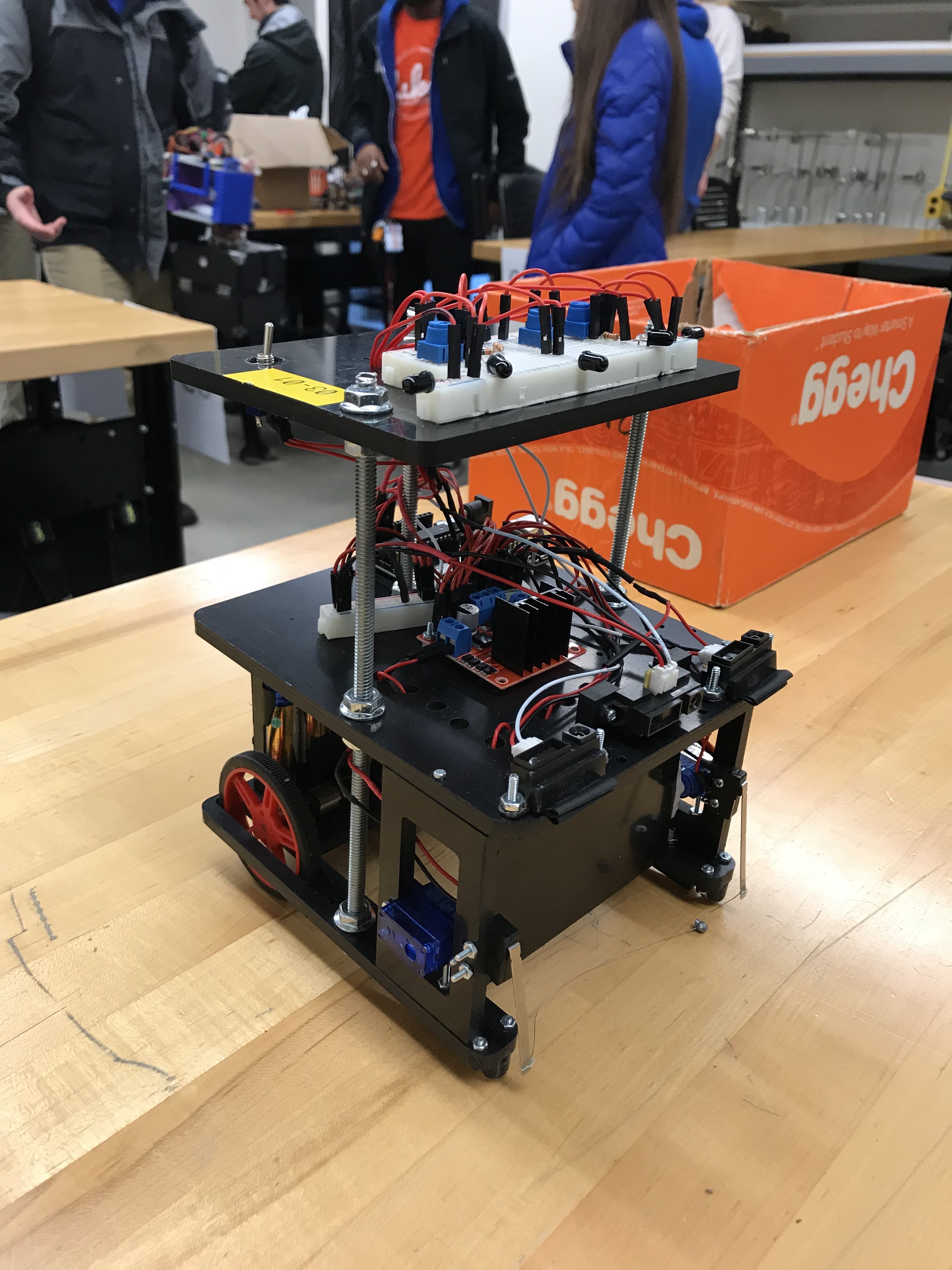
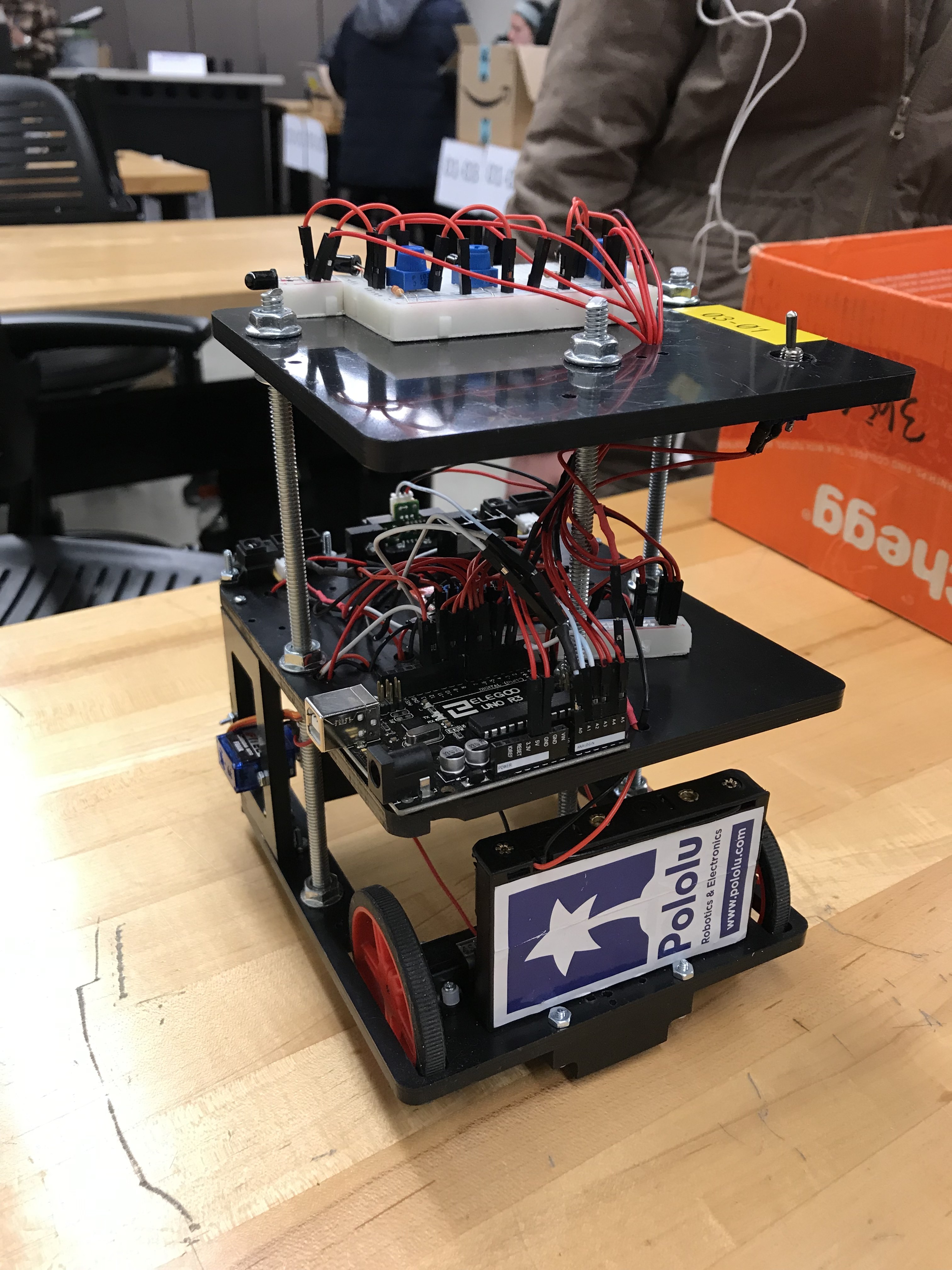
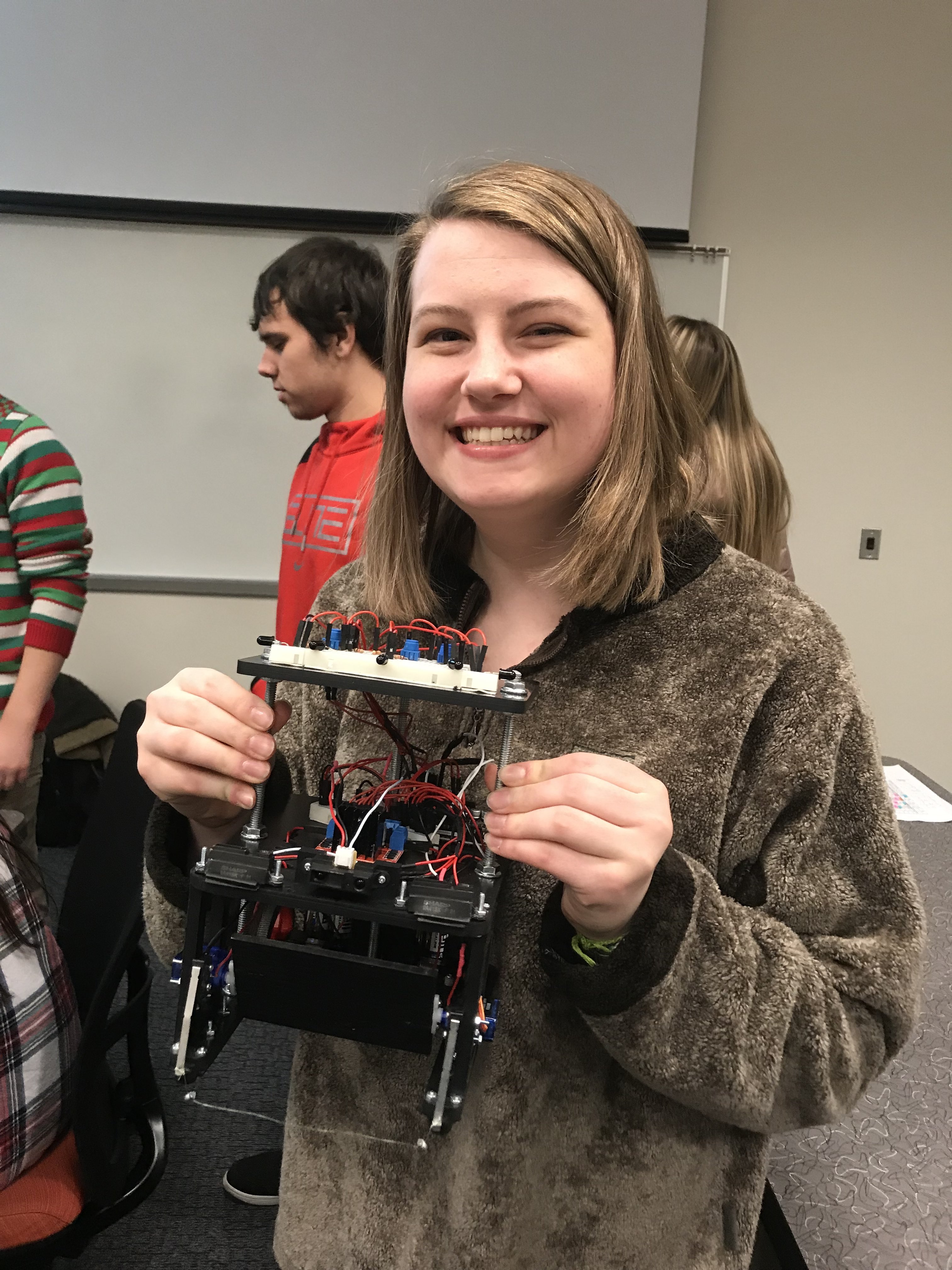
Robo Sockey Arduino Robot
GVSU's Robo Sockey competition, a mix between soccer and hockey, is a semester long competition between students enrolled in the Introduction to Engineering II courses. Around 40 teams, each consisting of 4 students, are tasked with creating an Arduino robot capable of autonomously navigating a course full of obstacles and other robots. Simultaneously, the robots must find and capture randomly placed balls and deliver them to one of the 4 goals. With 4 robots in the 6-foot-by-6-foot arena, teams have three minutes to score as many points as they can before the rounds is over. My hard-working team implemented many original design features into our robot, which we named The Boi. The Boi scored as many goals as he could muster, managing to obtain first place and earn the Design Innovation Award.